Financing of Infrastructure and Housing
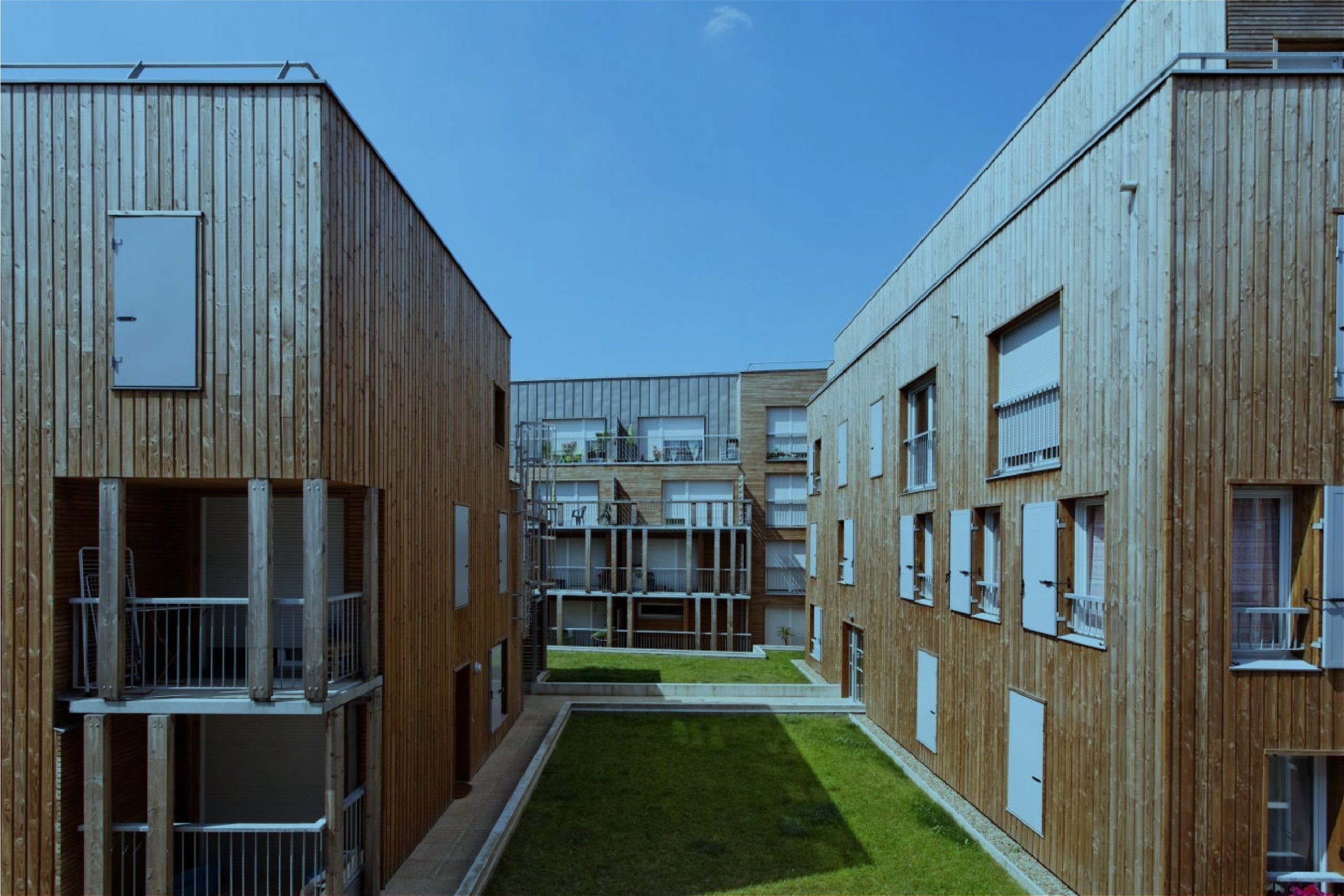
The Technical Committee of ALIDE for Infrastructure and Housing focuses its action on the analysis and promotion of good practices related to the financing of the sector in Latin America and the Caribbean. By holding technical meetings and publishing studies and documents, it proposes action guidelines to optimize the work performed by Development Banking in the promotion of projects oriented to development, with emphasis in the use of new financial instruments and public-private participation.
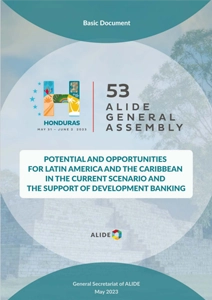
Potential and Opportunities for Latin America and the Caribbean in the current scenario and support of development banking
Basic Document, ALIDE, May 2023
The document begins with an overview of the global and regional economic outlook, highlighting gaps, trends, and opportunities emerging from current crises. It then examines Latin America and the Caribbean in comparison with other regions in terms of physical infrastructure, followed by an analysis of international trade relations and the region’s potential to attract investment and expand trade flows.
Another chapter explores how development banks in the region are responding through direct financing to boost exports. The publication concludes with key takeaways, summarizing the most relevant insights and recommendations.
Sustainable Finance and the Contribution of Development Banks to Major Global and National Challenges
Main Document, ALIDE, May 2024
The main theme of this document is «Sustainable Finance and the Contribution of Development Banks to Major Global and National Challenges» and aims to analyse and share knowledge on the pathways to progress towards a higher status of sustainable finance in the region. This was the theme of the 54th ALIDE Meeting held in Fortaleza, Brazil, from 15 to 17 May 2024.
Road to comprehensive security: Development banking forging the future of Latin America
Main Document, ALIDE, May 2025
This document analyzes how the multiple global crises -such as pandemics, climate change, geopolitical tensions and digital transformation- have revealed systemic vulnerabilities that require a new comprehensive security approach that goes beyond the military, encompassing climate, economic, energy, digital, social and labor dimensions. Nine chapters examine these sectoral areas and their impact on Latin America and the Caribbean, suggesting the strategic role that development banks can play in promoting a more resilient, inclusive and sustainable development model. The document offers recommendations for these banks to lead the transformation through financing, international cooperation and institutional strengthening, with a view to guaranteeing present and future well-being in the region.